
When is Eid ul Adha 2025?
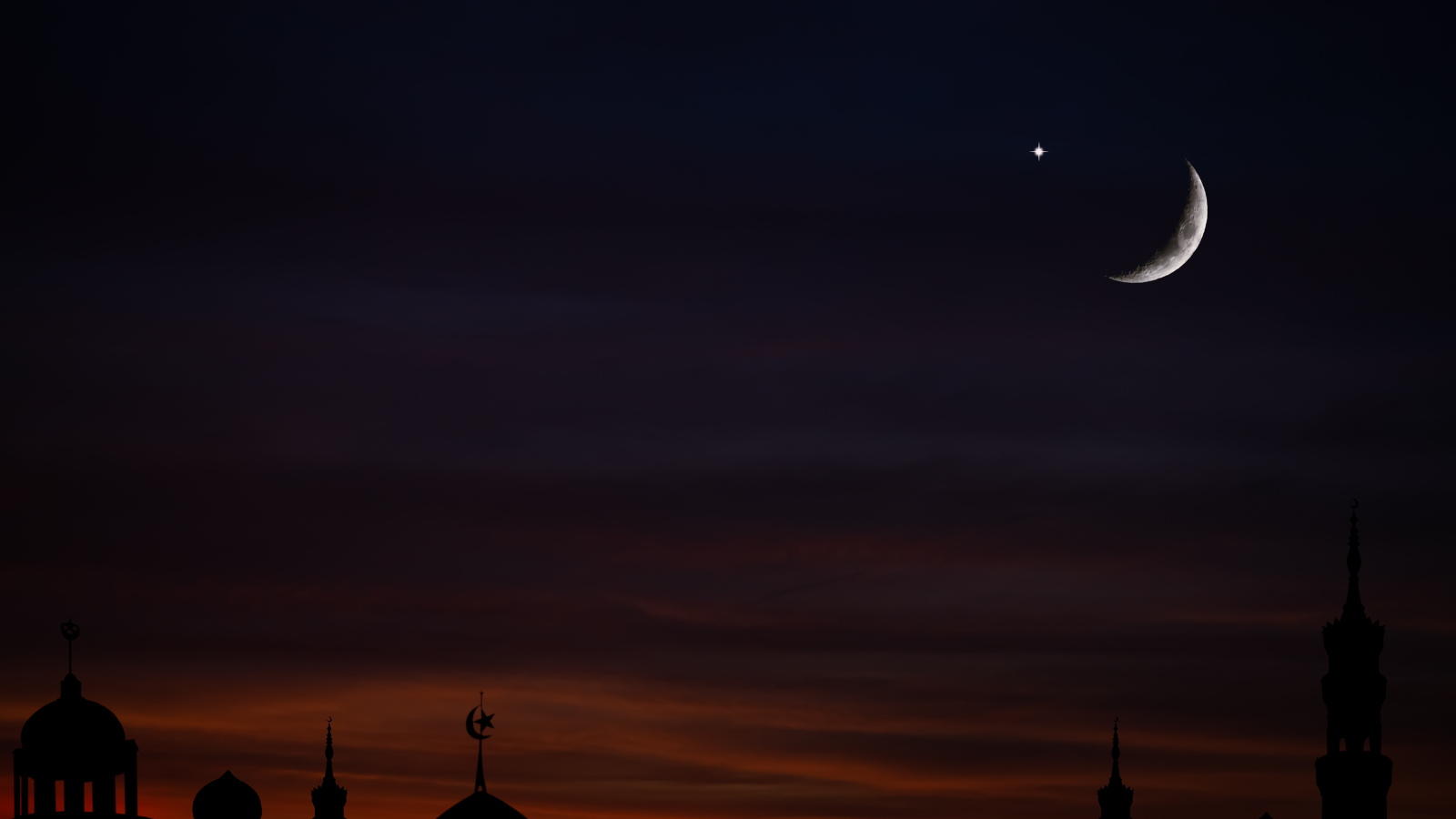
Eid al Adha 2025 will start on the evening of June 5 and end on June 10, depending on the moon sighting if you’re wondering when Eid al Adha 2025 is, read on to learn about the festival’s history, significance and how it is celebrated globally.
Key Takeaways
- Eid al Adha 2025 is expected to start on the evening of June 5 and end on June 10, depending on the lunar sighting.
- The festival commemorates Prophet Ibrahim’s willingness to sacrifice his son Ismail, emphasizing faith, obedience, and the values of sacrifice and charity within the Muslim community.
- Key celebrations include communal prayers, the Qurbani ritual of animal sacrifice, and various charitable acts to promote community support and share blessings with the less fortunate.
Key Dates for Eid al Adha 2025
Eid al Adha 2025 is anticipated to begin on the evening of Thursday, June 5, and conclude on the evening of Tuesday, June 10. These dates, however, are tentative and subject to the sighting of the moon. This tradition aligns with the Islamic calendar’s lunar nature. The period of Eid al Adha coincides with the completion of the Hajj pilgrimage, further enhancing its significance in the Muslim world.
These dates signify a period of global unity among Muslims, characterised by prayer, sacrifice, and charity, reflecting Prophet Ibrahim’s obedience and faith. We will explore the historical and spiritual significance that establishes this festival, Eid ul Fitr, as a cornerstone of Islamic tradition.
The Significance of Eid al Adha
Eid al Adha commemorates the profound story of Prophet Ibrahim’s willingness to sacrifice his son Ismail in obedience to God. This devotion and trust in God’s command is a testament to the unwavering faith that defines the festival and the Eid celebrations. Known as the ‘Festival of Sacrifice’, Eid al Adha reminds Muslims of the importance of submission to Allah’s will and the virtues of sacrifice and generosity.
The story of Prophet Ibrahim and Ismail transcends a mere tale of sacrifice; it serves as a profound lesson in faith and obedience. Instead, God’s intervention by providing a ram for the sacrifice highlighted mercy and the rewards of faithfulness. Muslims worldwide reenact this story through the ritual of Qurbani, sacrificing an animal to honour Ibrahim’s obedience to God, as God ordered.
The importance of Eid al Adha goes beyond the act of sacrifice itself. It promotes unity within the Muslim ummah, bringing people together for prayers, Qurbani, and charitable acts. This period prompts reflection on key Islamic ideals: faith, community support, and the spirit of giving.
Celebrating Eid al Adha
Eid ul Adha is a multifaceted celebration combining prayer, sacrifice, and charity. Muslims engage in these activities to honour their faith’s traditions and teachings. The day begins with special prayers, followed by the ritual of Qurbani. It culminates in acts of charity and communal gatherings.
The spirit of giving is especially highlighted during Eid ul Adha. Everyone, particularly the underprivileged, is encouraged to share the festival’s blessings. These celebrations remind us of the importance of community and collective responsibility.
We’ll explore the specifics of Eid ul Adha celebrations, beginning with Eid prayers, followed by the Qurbani ritual, complete with acts of charity and community support.
Eid Prayers
Eid prayers, conducted shortly after sunrise, set the day’s celebratory tone. Dressed in their best clothes, Muslims gather in large congregations to visit either outdoors or in mosques for this communal worship of Allah. The atmosphere resonates with the Takbir recitation, repeating ‘Allahu Akbar’ seven times to emphasise God’s greatness. The Eid prayer is a significant part of this celebration.
These prayers profoundly express faith and unity. A sermon, or khutbah, follows, reflecting on Eid ul Adha’s significance and values. The community’s bond is palpable as everyone stands shoulder to shoulder, united in devotion.
Post-prayers, Muslims greet each other with ‘Eid Mubarak’, extending blessings and well wishes. This collective worship reinforces faith and strengthens the bonds of praise within the Muslim ummah, setting a harmonious tone for the day’s celebrations.
Qurbani: The Ritual of Sacrifice
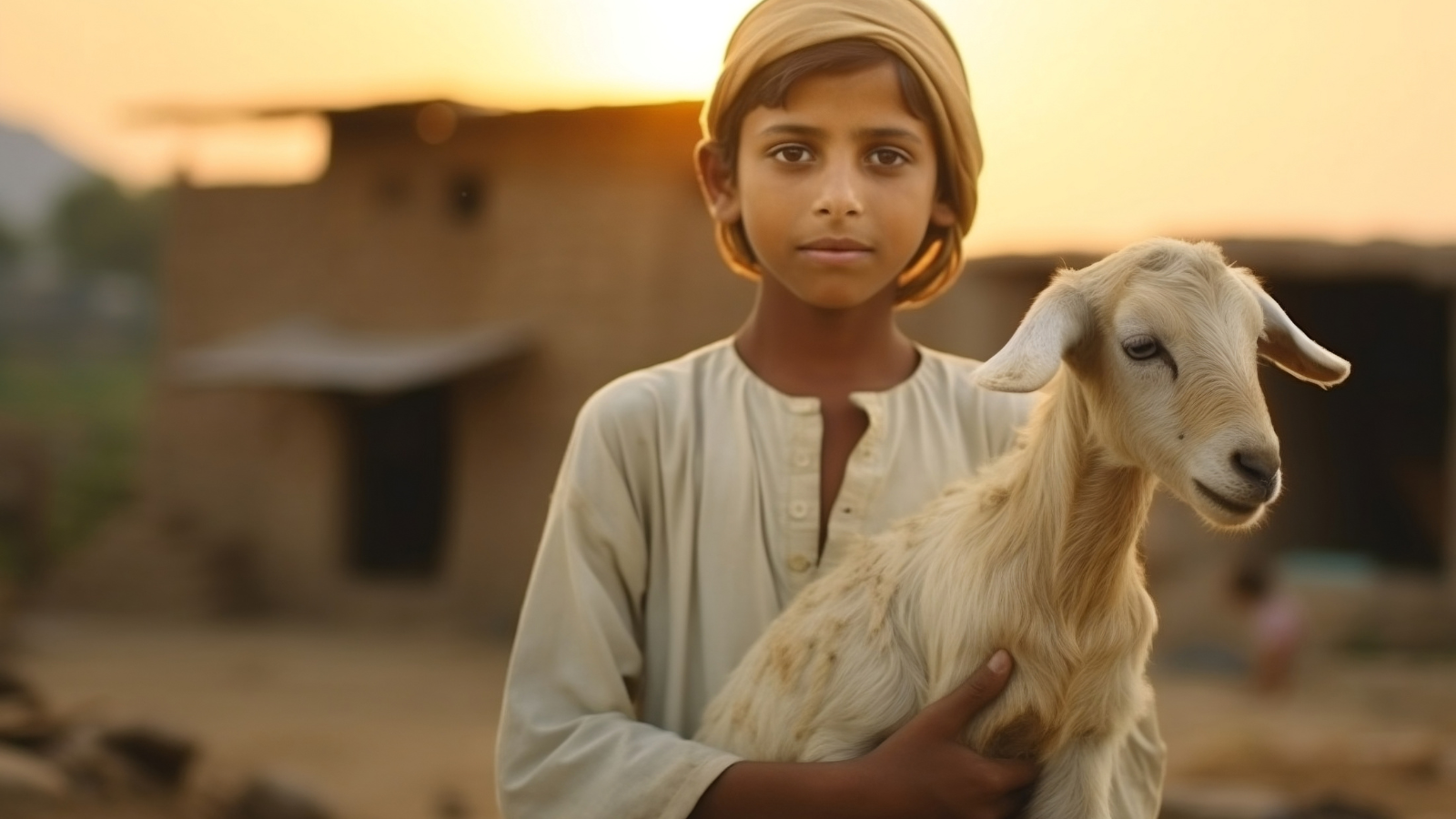
The Qurbani ritual, or animal sacrifice, stands central to Eid ul Adha. This act commemorates Prophet Ibrahim’s willingness to sacrifice his son, Ismail, symbolising obedience to God. Muslims worldwide participate by sacrificing animals like sheep, goats, or cows, adhering to halal guidelines to ensure humane and respectful practices.
The meat is divided into three parts: one for the family, one for friends and relatives, and one for those in need. This division underscores the festival’s themes of sharing and charity, ensuring everyone, regardless of economic status, can partake in the festivities.
Allah’s name is invoked during the sacrifice, and the Takbir is recited, reinforcing its spiritual significance. The Qurbani ritual honours Prophet Ibrahim’s legacy and serves as a reminder of the blessings and responsibilities bestowed upon the Muslim ummah.
Charity and Community Support
Charity forms a cornerstone of Eid ul Adha, reflecting its spirit of generosity and compassion. Muslims engage in diverse charitable acts, from donating money to supporting initiatives benefiting the underprivileged. These efforts ensure the joy of Eid is shared with everyone, especially the less fortunate.
Mosques and community groups often organise communal meals, study days, and lectures at the mosque to foster community and support. These activities provide immediate relief and aim to improve the quality of life for poor people, aligning with broader Muslim charity objectives.
Charity during Eid ul Adha emphasises social responsibility and collective efforts to uplift those in need through good deeds. It powerfully expresses the values of empathy, kindness, and unity integral to the Islamic faith.
Eid al Adha Around the World
Eid al Adha is celebrated with great fervour globally, as the world celebrates with each region, adding its unique cultural touch. The day starts with mass prayers in Indonesia, home to the largest Muslim population. It continues with family gatherings and gift exchanges. Community and togetherness are palpable as people gather to celebrate and share meals.
In the UK, mosques and community groups often organise communal meals to celebrate. These gatherings offer Muslims a chance to connect, share experiences, and celebrate in unity. The festival is affectionately called ‘Salty Eid’ due to the savoury dishes that dominate the feast.
From the Middle East to South Asia, Eid al Adha reminds us of the global unity of the Muslim ummah. Though varied, the rituals and traditions all echo themes of faith, sacrifice, and charity, reinforcing the bonds that unite Muslims worldwide.
Frequently Asked Questions
Eid al Adha 2025 is anticipated to commence on the evening of Friday, June 6, and conclude on the evening of Tuesday, June 10.
Eid al Adha is significant as it commemorates Prophet Ibrahim’s willingness to sacrifice his son Ismail in obedience to God, symbolising deep faith and devotion. This celebration serves as a reminder of the values of sacrifice and submission to divine will.
Eid al Adha is celebrated through communal prayers, the ritual of Qurbani, which involves animal sacrifice, and acts of charity, with meat distributed among family, friends, and those in need. This highlights the importance of community and generosity in the holiday spirit.
Qurbani is the ritual slaughter of an animal during Eid al-Adha, symbolising the sharing of God’s blessings, with the meat distributed among family, friends, and those in need.
Eid al Adha is celebrated worldwide with distinct cultural practices; for instance, Indonesia emphasises mass prayers and family gatherings, whereas the UK often features communal meals organised by mosques and community groups. Each country adds its unique flavour to the celebration, enriching the global observance of this significant holiday.