
Summary
- Dhul Hijjah is a holy month in the Islamic calendar with immense rewards.
- The first ten days are the most special and full of good deeds.
- Fasting, praying, and remembering Allah bring great benefits.
- The Day of Arafah and Eid ul Adha are part of these blessed days.
- Muslims should do righteous deeds and seek Allah’s forgiveness.
Introduction to the Sacred Month
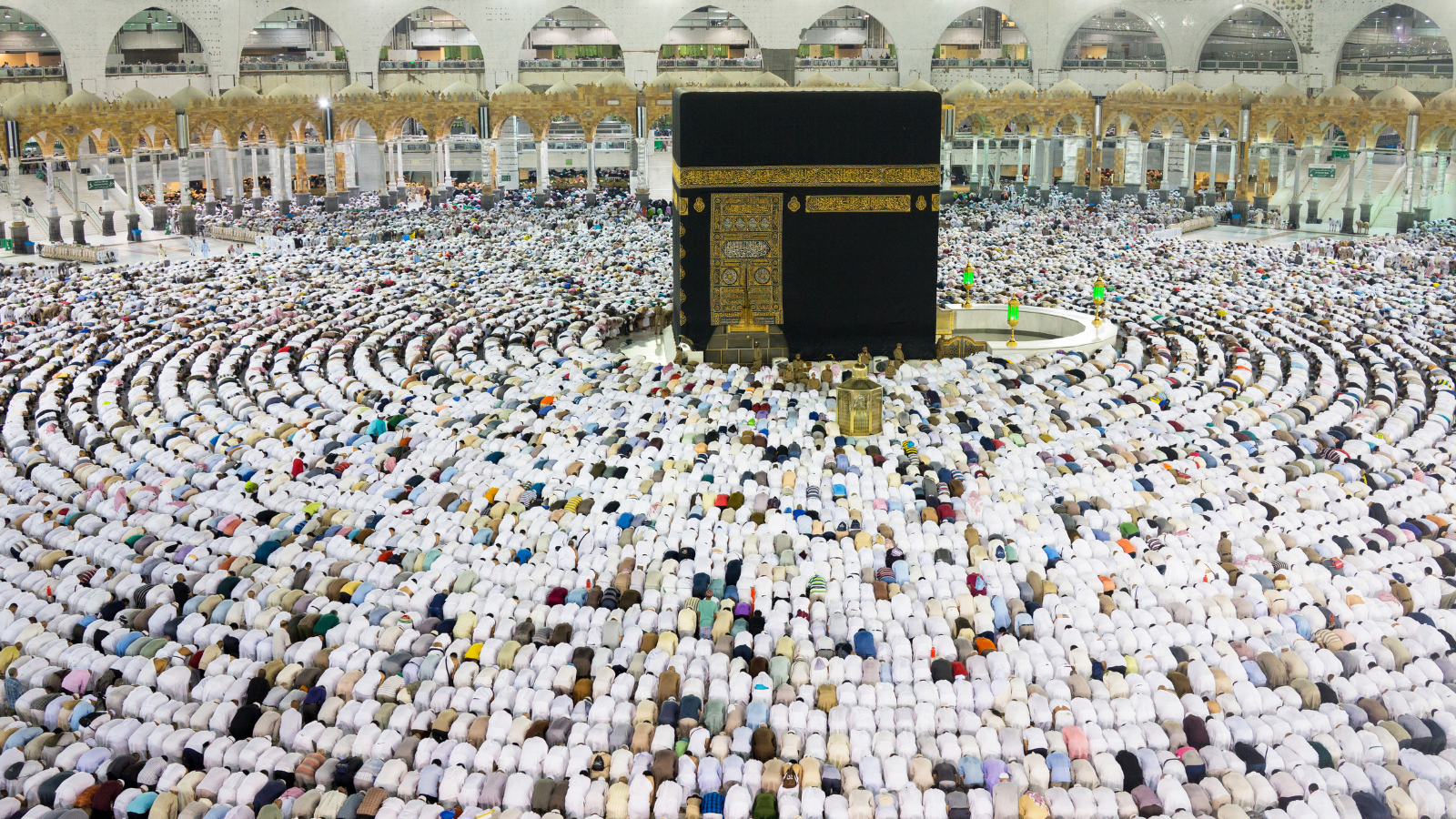
Dhul Hijjah is a blessed month in the Islamic calendar. It is one of the four sacred months chosen by Allah. These days are full of mercy, forgiveness, and great benefit. In this month, Muslims try to do righteous deeds, make sacrifices, and draw closer to Allah SWT. It’s the time of Hajj, the holy pilgrimage to Makkah.
The first ten days of Dhul Hijjah are especially important. These days offer immense rewards for those who do good. Prophet Muhammad taught us that these are some of the best days for worship and great deeds. Allahu Akbar, what a gift from Allah!
Significance of the First Ten Days
The ten days of Dhul Hijjah are very special. They are known as the appointed days where Allah swears by them in the Quran. These days are better than all the other days in the year. Only the last ten nights of Ramadan can compare.
During these days, we are encouraged to do the greatest acts like praying, giving charity, fasting, and saying words like Subhaan Allah, Al hamdu lillah, Laa ilaha ill Allah, and Allahu Akbar. These are the best deeds to do in this blessed time.
As Prophet Muhammad said in many hadiths, no days are better for great deeds than these. Even the smallest good deeds done now are worth more than on other days. Fath al Bari and Al Bukhari share strong support for this from scholars.
The Day of Arafah
The Day of Arafah is on the 9th of Dhul Hijjah. It is one of the most blessed days in Islam. On this day, Muslims all over the world pray, fast, and seek Allah’s mercy and forgiveness. For those not performing Hajj, fasting on this day removes the sins of the entire year before and after.
It is the day when Allah perfected the religion of Islam. Prophet Muhammad stood on Mount Arafah during his Farewell Hajj. Pilgrims now gather there to perform the most important Hajj rituals.
The hadith qudsi and reports from Abu Dawud speak of the power of this day. It’s a day to reflect, make du’a, and remember God with full heart and soul.
Eid ul Adha
Eid ul Adha, also called Eid al Adha, is celebrated on the 10th of Dhul Hijjah. It is a blessed day that remembers the sacrifice made by Prophet Ibrahim. He was ready to give up his son for Allah, but Allah replaced him with a ram.
On this day, Muslims go to the Eid prayer, also known as Eid Salah, and listen to the khutbah. After that, they do the sacrifice and share the meat with family, friends, and those in need. Saying Allahu Akbar and Wa lillaah hil hamd during this time is part of the sunnah.
Eid ul Adha is a time to celebrate, show obedience to Allah, and do good deeds. It is a chance to come together, give to others, and show thanks to Allah.
Acts of Worship
The first ten days of Dhul Hijjah are full of ways to worship. Muslims are encouraged to pray extra prayers, read the Quran, and say dhikr like Laa ilaaha ill Allah, Subhaan Allah, and Al hamdu lillah.
Other great deeds include giving charity, helping others, and being kind. These are the best deeds we can do in this holy month. Even small actions, done with a sincere heart, are rewarded greatly.
These days are a good time to focus on remembering Allah, fixing our character, and doing what pleases Him. It is a chance to be better people and earn the love of Allah SWT.
Fasting and Its Rewards
Fasting during the first nine days of Dhul Hijjah is very rewarding. The most special fast is on the Day of Arafah, which forgives sins from two years—last year and the coming year.
The Prophet Muhammad encouraged fasting during these days. These fasts are better than those in other periods, except for Ramadan. Al Bukhari and other scholars wrote about these great rewards.
Fasting helps us feel closer to God and teaches self-control. It is a way to seek Allah’s forgiveness and earn immense reward. Doing this during Dhul Hijjah shows our love and devotion to Allah.
The Apparent Reason for the Virtues
The most apparent reason for the virtues of these days is their connection to Hajj and the sacrifice of Prophet Ibrahim. During this time, many great deeds combine—fasting, prayer, charity, and performing Hajj.
These days are part of our Islamic year for a reason. They include appointed days where Muslims can gain so much reward. The acts done in these days are full of meaning and show our obedience to Allah SWT.
The Prophet said that an accepted Hajj brings total forgiveness. These days remind us of that goal. They help us reflect and renew our intention to live a life pleasing to Allah.
Benefits of the Days of Dhul Hijjah
These days give us many chances to do good deeds and gain great benefit. They are a blessed time to reflect, give thanks, and grow spiritually.
Doing righteous deeds now brings more reward than at other times. Saying Laa ilaha ill Allah, reading the Quran, and helping others are all simple but powerful actions. Even fasting one day now brings more reward than usual.
The blessings of these days include the chance to have our sins forgiven, get closer to Allah, and earn immense rewards. It’s like Laylat al Qadr, but stretched over ten days!
Celebration and Sacrifice
The celebration of Eid ul Adha is not just about fun. It is about faith, obedience, and love for Allah SWT. It reminds us of Prophet Ibrahim and his son who trusted in Allah’s plan.
Doing the sacrifice is a way to show this trust and thankfulness. The meat is shared so that no one goes hungry. Saying Allahu Akbar, Wa lillaah hil hamd, and being with our families makes this time extra special.
These ten days of Dhul Hijjah are a perfect time to reflect, make dua, and start fresh. Sha Allah, may we all use this time well and be among those whose deeds are accepted.
Frequently Asked Questions
Dhul Hijjah is one of the most sacred months in the Islamic calendar. It includes the first ten days which are filled with blessings and immense rewards. It also includes the holy pilgrimage of Hajj and Eid ul Adha.
The best deeds include prayer, fasting, reading Quran, giving charity, and remembering Allah by saying phrases like “Subhaan Allah,” “Al hamdu lillah,” and “Laa ilaha ill Allah.”
The Day of Arafah, on the 9th of Dhul Hijjah, is a powerful day for worship. Fasting on this day can forgive the sins of the past and future year. It is also the day when Allah perfected the religion.
Eid ul Adha happens during Dhul Hijjah and honors the sacrifice of Prophet Ibrahim. It includes animal sacrifice and is linked to Hajj. Eid al Fitr happens after Ramadan and celebrates the end of fasting.
Yes, children can pray, fast (if able), give charity, and say dhikr. It’s a great time to teach them about the importance of Dhul Hijjah and build habits of worship.