

Summary
- The last 10 days of this holy month are a time for extra worship, good deeds, and spiritual elevation.
- Laylatul Qadr (“Night of Power”) falls in these last ten nights and its reward is better than a thousand months.
- Three core duas to recite with Arabic, transliteration, and meaning:
- Allahumma innaka ‘afuwwun…
- Allaahumma jurnee fee muṣeebatee…
- Wa zidnee ‘ilman wa huda…
- Structure each night around Tahajjud prayer, seeking refuge, core supplications, and end with “Ameen.”
- Simple tips: plan your days of Ramadan, switch off distractions, pray with family or friends, and make heartfelt dua.
Introduction
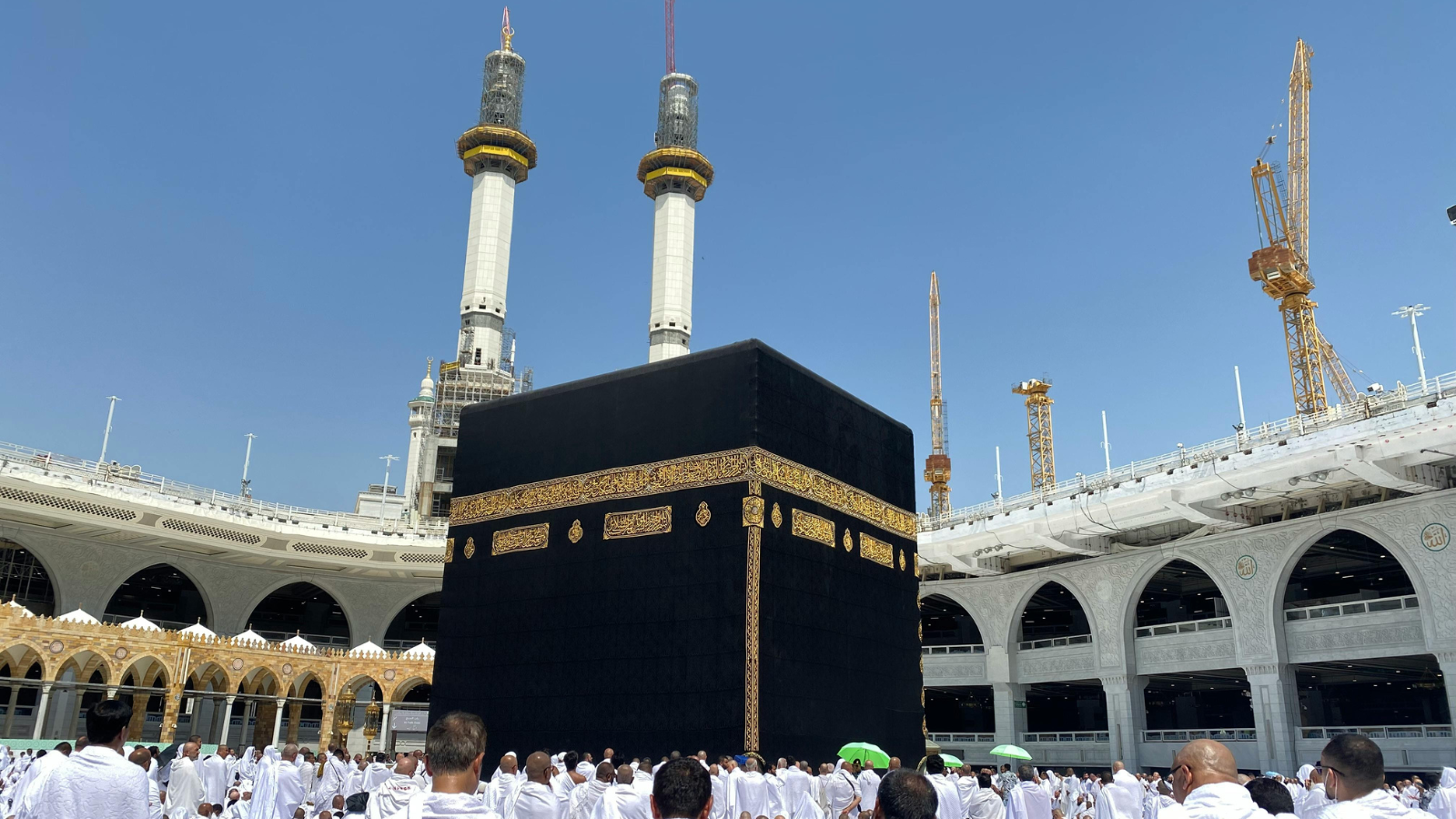
Ramadan is the most blessed month in Islam. For Muslims, it is a time to fast from dawn to sunset, to pray more, and to seek forgiveness from Almighty Allah (SWT). As we enter the last 10 days, our devotion and good deeds should grow. We follow the example of Allah’s Messenger, who spent these nights in extra worship, reciting duas, and seeking mercy. This guide shows you the best duas for last 10 days of Ramadan, complete with Arabic, transliteration, and simple meanings.
The Significance of the Last 10 Days of Ramadan
The days of Ramadan’s final stretch are special because they hold Laylatul Qadr, the “Night of Power.” On this night, the angels descend, and peace fills the world. Worship on Laylatul Qadr is worth more than a thousand months of ordinary deeds. The Prophet (peace be upon him) said:
“Whoever stands (in prayer) during the Night of Qadr out of faith and in the hope of reward, his previous sins will be forgiven.”
By focusing on prayer, supplications, and good deeds now, we seek guidance, blessings, and forgiveness.
Core Duas to Recite in the Last Ten Nights
1. “Allahumma innaka ‘afuwwun tuhibbu al-‘afwa fa’fu ‘annee”
- Arabic: اللَّهُمَّ إِنَّكَ عَفُوٌّ تُحِبُّ الْعَفْوَ فَاعْفُ عَنِّي
- Transliteration: Allahumma innaka ‘afuwwun tuhibbu al-‘afwa fa’fu ‘annee
- Meaning: “O Allah, You are Most Forgiving, and You love forgiveness; so forgive me.”
- Why it’s the best dua: This supplication asks for love, forgiveness, and mercy in one simple line. It shows we trust Allah wills good for us.
2. “Allaahumma jurnee fee muṣeebatee wa akhluf lee khayran minhaa”
- Arabic: اللَّهُمَّ جُرْنِي فِي مُصِيبَتِي وَاخْلُفْ لِي خَيْرًا مِنْهَا
- Transliteration: Allaahumma jurnee fee muṣeebatee wa akhluf lee khayran minhaa
- Meaning: “O Lord, reward me in my calamity and replace it for me with something better than it.”
- Why it’s needed: Life brings hardship and calamity. This dua shows we turn to our Lord, asking Him to turn our troubles into blessings.
3. “Wa zidnee ‘ilman wa huda wa’aafiyatan wa rizqan tayyiban”
- Arabic: وَزِدْنِي عِلْمًا وَهُدًى وَعَافِيَةً وَرِزْقًا طَيِّبًا
- Transliteration: Wa zidnee ‘ilman wa huda wa’aafiyatan wa rizqan tayyiban
- Meaning: “And increase me in knowledge, guidance, well-being, and good provision.”
- Why it helps: It covers key needs: wisdom, straight path, health, and lawful sustenance. It deepens our connection with Allah.
4. Additional Supplications
- Seeking refuge from evil:
- Arabic: أَعُوذُ بِاللَّهِ مِنَ الشَّيْطَانِ الرَّجِيمِ
- Transliteration: A’udhu billahi min ash-shaytaan ir-rajeem
- Meaning: “I seek refuge in Allah from the accursed Satan.”
- Dua for acceptance:
- “O Allah, accept from us our fasts, prayers, and all our deeds.”
- Short Ramadan dua at dawn:
- “O Allah, bless me in this day’s fast and all my good deeds.”
How to Structure Your Nightly Worship and Duas
- Tahajjud (Night Prayer): Wake up before dawn. Stand quietly, recite Quran, and reflect.
- Seek Refuge (Istiaza): Begin with “A’udhu billahi…” to block distractions and evil thoughts.
- Send Salawat on the Prophet: Say “Allahumma salli ‘ala Muhammad…” to gain extra blessings.
- Recite Core Duas: Use the three above, plus any personal supplication from the heart.
- Dhikr and Tasbeeh: Repeat phrases like “SubhanAllah” (Glory be to Allah), “Alhamdulillah” (All praise is due to Allah), and “Allahu Akbar” (Allah is the Greatest).
- Close with Ameen: After each dua, say “Ameen” to affirm your prayer is heard.
Practical Tips to Maximize Rewards
- Plan your nights: Write a simple checklist of which duas and acts of worship you will do each night.
- Limit distractions: Switch off your phone or social media to keep focus on your devotion.
- Invite loved ones: Gather family or friends for group prayer and peaceful remembrance.
- Be sincere: Speak to Almighty Allah (SWT) in your own words. Ask for guidance, paradise, and protection from hellfire.
- Use “Ameen” often: It shows your heart truly means each supplication.
Conclusion
The last 10 days of Ramadan are our final chance in this blessed month to earn forgiveness, mercy, and the vast reward of Laylatul Qadr. By following the example of Allah’s Messenger, reciting these duas, and structuring each night’s worship, we draw closer to Allah, strengthen our faith, and fill our lives with blessings. May Almighty Allah accept all our good deeds, forgive our sins, and grant us peace, security, and paradise. Ameen.