
Introduction: The Most Sacred Days of the Year
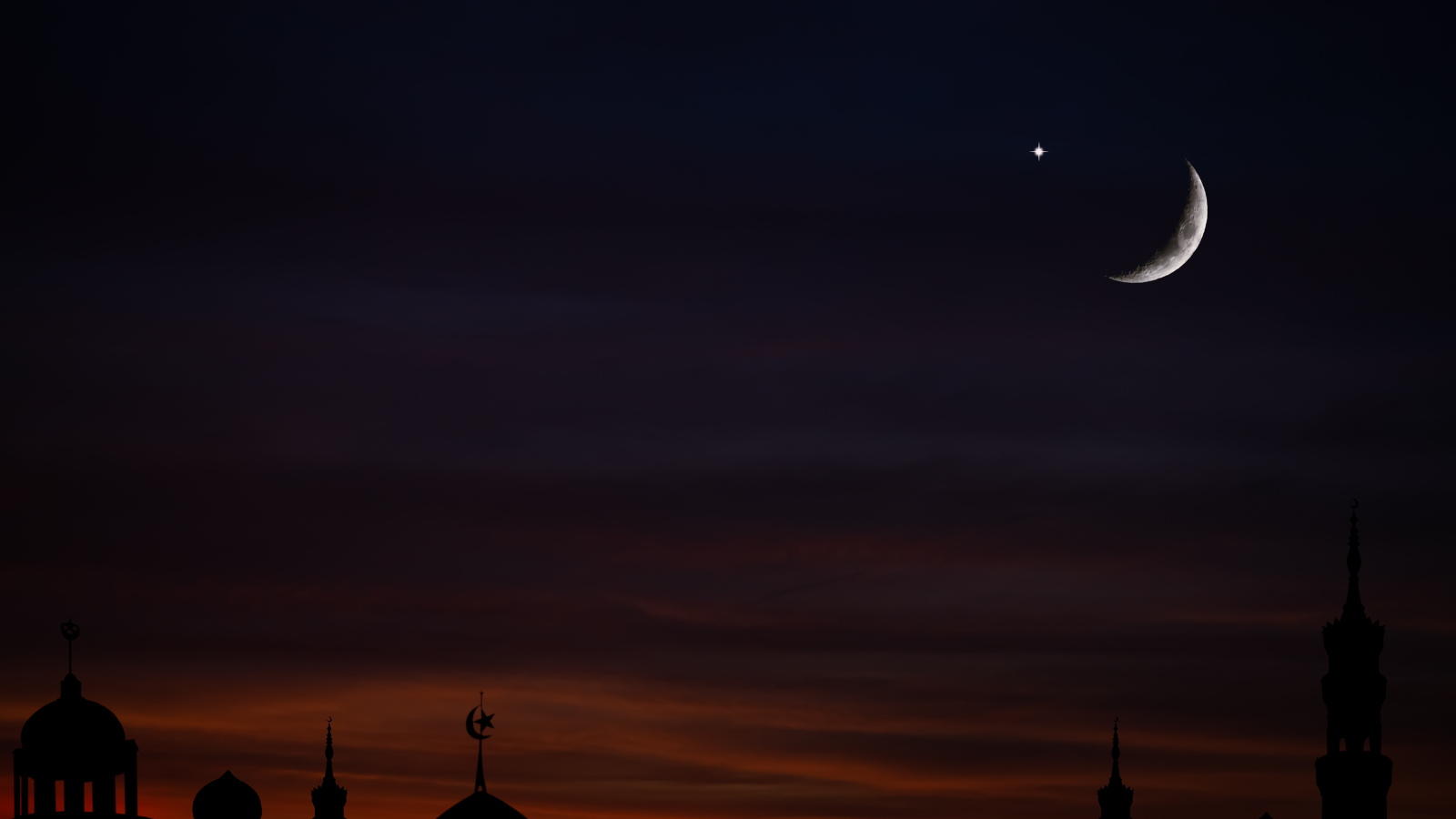
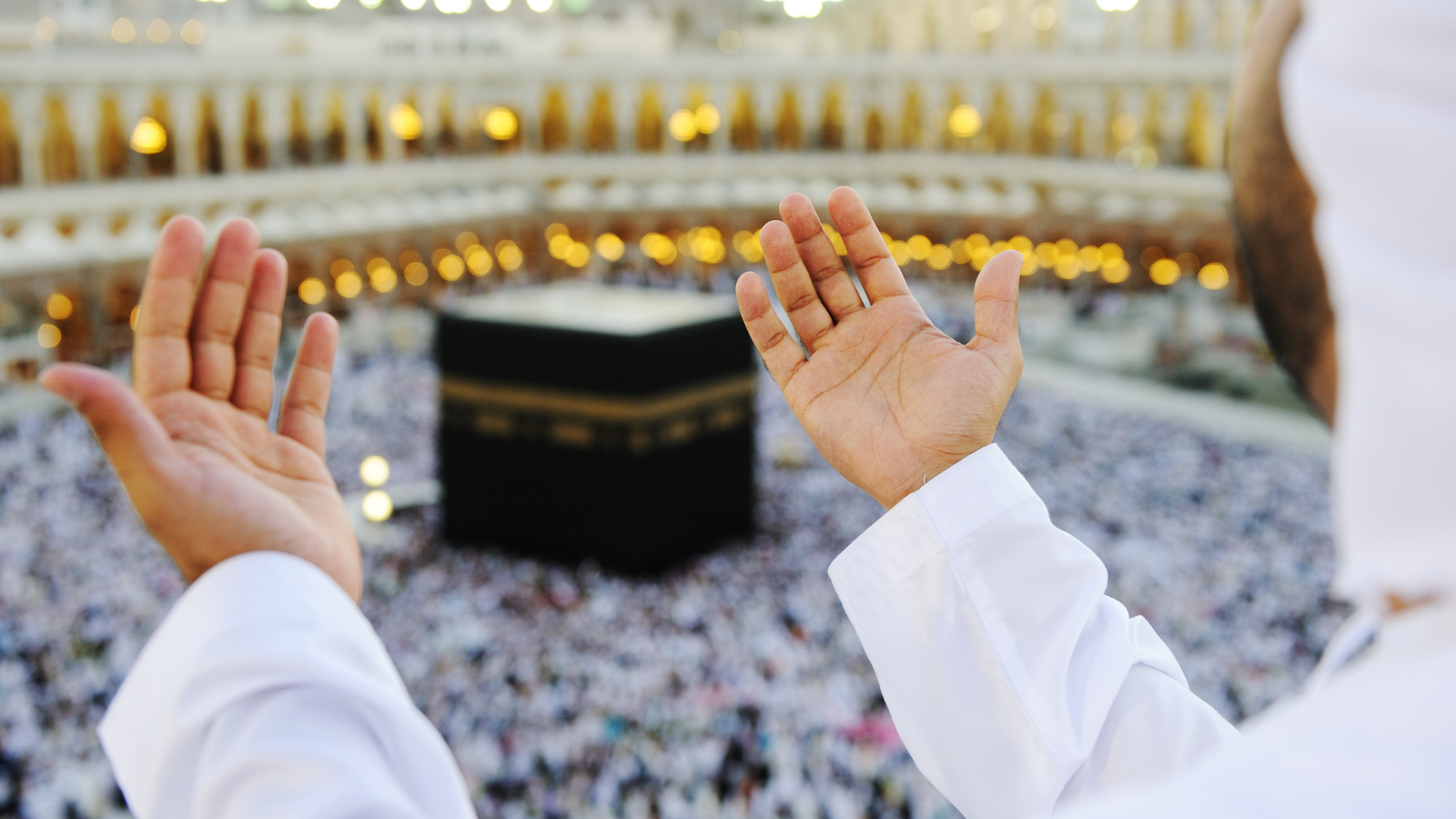
The 10 days of Dhul Hijjah are considered the most spiritually significant days in the entire Islamic calendar. They precede Eid al-Adha, marking a period that invites reflection, devotion, and immense opportunity for those seeking to draw closer to Allah (SWT).
During these sacred days, Muslims around the world engage in intensified worship, good deeds, and remembering Allah. These ten days are so important that Allah swears by them in the Qur’an: “By the dawn, and the ten nights” (Surah Al-Fajr 89:1-2). Scholars like Ibn Abbas have explained that the ten nights referenced here are the first ten nights of Dhul Hijjah.
In this guide, we’ll uncover:
- The significance of these blessed days,
- The righteous deeds recommended by our Beloved Prophet Muhammad (peace be upon him),
- And how you can maximize your reward while supporting vulnerable children through READ Foundation UK’s “The 10 Most Powerful Days” campaign.
Whether or not you are performing Hajj, these are appointed days to seize unmatched immense rewards.
What is Dhul Hijjah? Understanding the Final Month
Dhul Hijjah is the final month of the Islamic lunar year and is widely known as a holy month due to the sacred rituals that take place within it. It is the month of the Hajj pilgrimage, which is the fifth pillar of Islam, and it includes Eid al-Adha, a celebration deeply tied to the legacy of Prophet Ibrahim (AS).
Even if you’re not among those performing Hajj, you can still participate spiritually. The first ten days are considered more rewarding than even the last ten nights of Ramadan, excluding the greatest night, Laylat al-Qadr.
Among the key virtues of this sacred month:
- It is a blessed time when all acts of worship carry amplified reward.
- The Day of Arafah, one of the most virtuous days in Islam, falls on the 9th of Dhul Hijjah.
- On the 10th, Muslims celebrate Eid al-Adha with prayer and remembrance.
It is during these first nine days, leading up to Eid, that believers should engage in as many righteous deeds as possible.
Why the First 10 Days of Dhul Hijjah Are So Special
The Prophet Muhammad (peace be upon him) said:
“There are no days on which righteous deeds are more beloved to Allah than these ten days.” (Bukhari)
This hadith alone underscores the unmatched weight of these ten days of Dhul. During this period, Muslims are encouraged to:
- Seek Allah’s forgiveness continuously,
- Recite takbir such as Allahu Akbar, Laa ilaha ill Allah, and Al Hamdu Lillah,
- Increase in night prayer, fasting, and giving sadaqah.
Even the smallest good deeds—helping someone, providing food, or making dua—can earn you the reward of an entire year’s worth of worship.
These appointed days are not just about personal benefit. They’re about embodying your Islamic identity by supporting others, especially the most vulnerable.
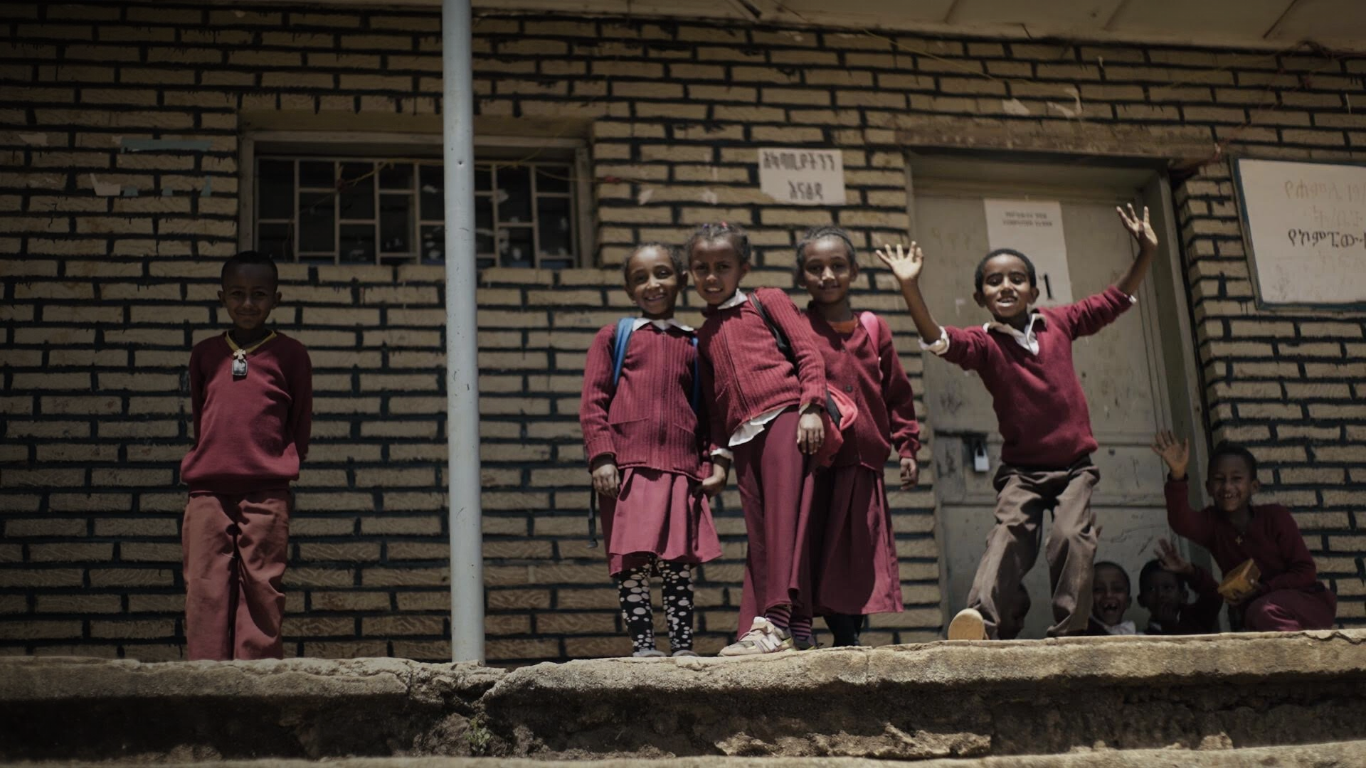
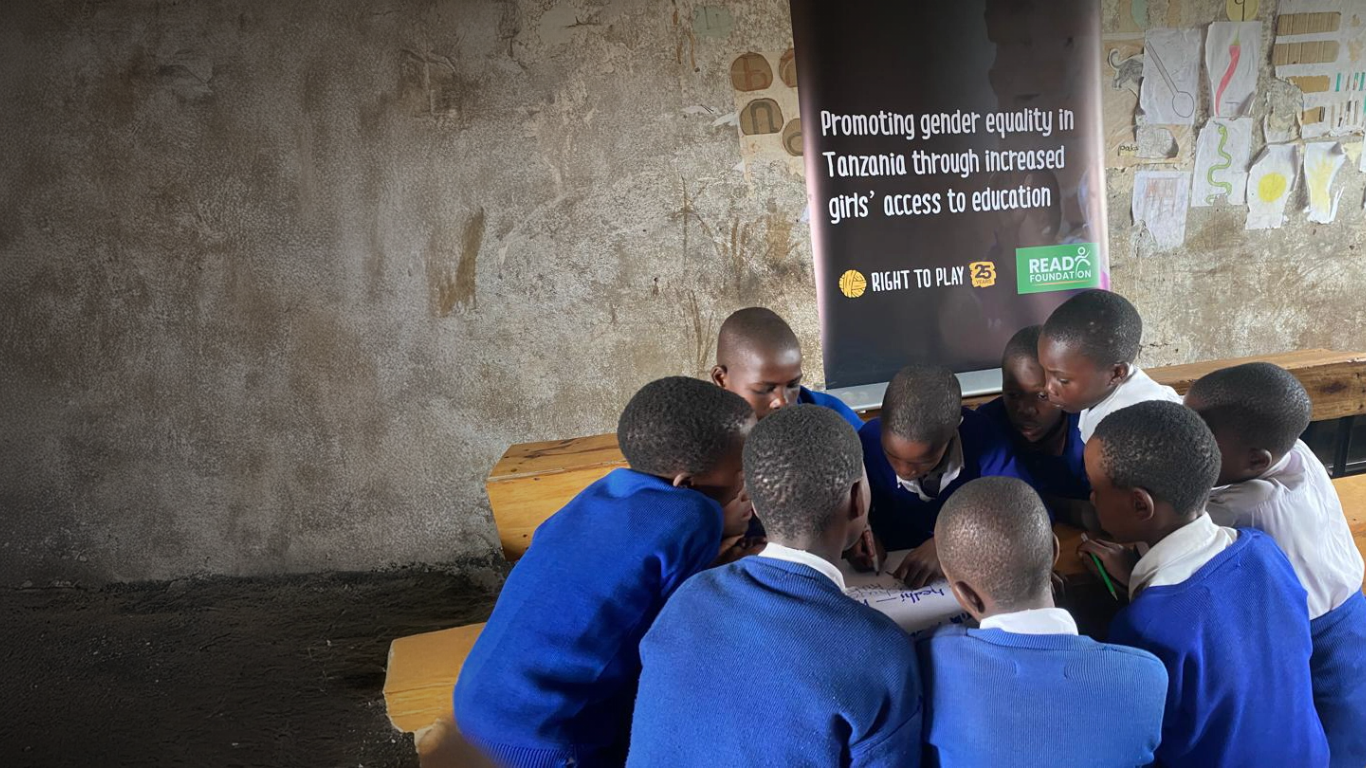
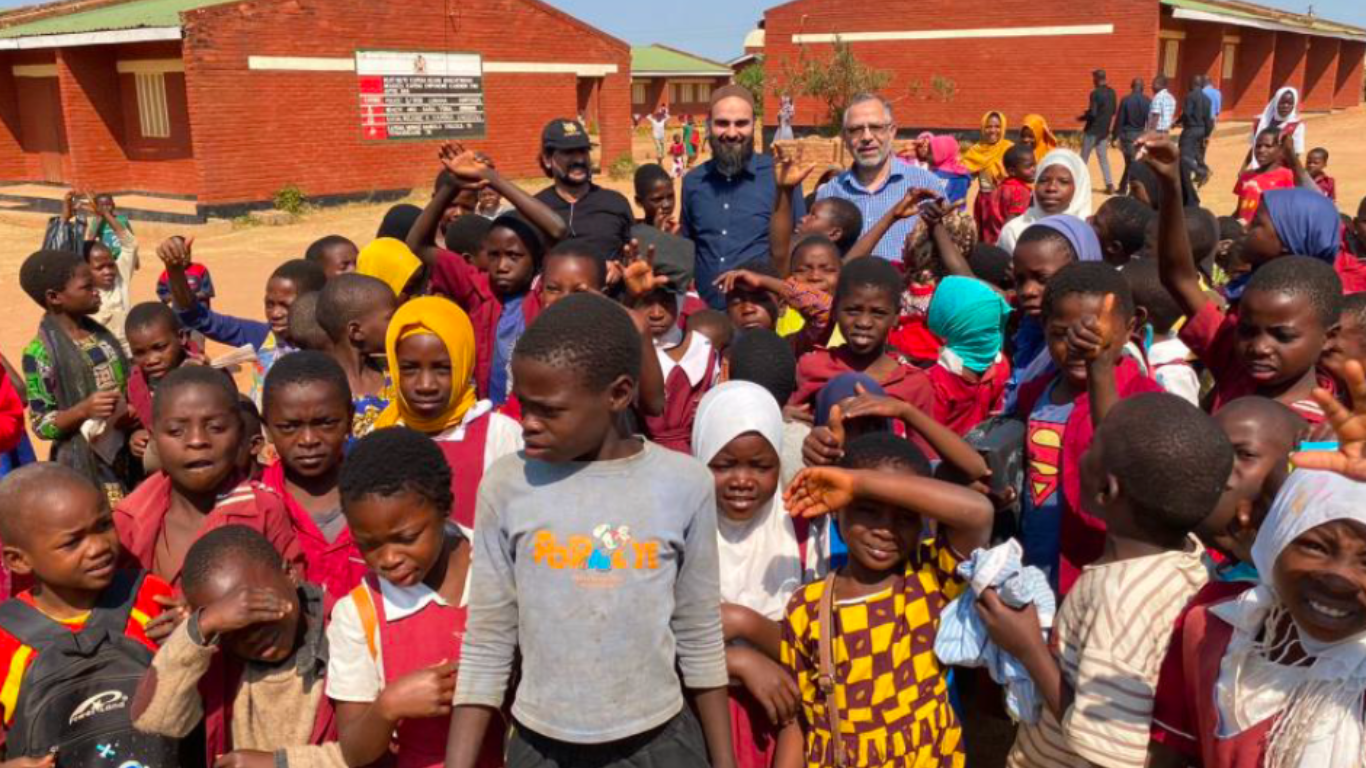
One of the best acts during this sacred time is helping orphaned children access education. That’s why the READ Foundation’s “The 10 Most Powerful Days” campaign is so timely. This campaign focuses on educating orphans and children in need, especially those in emergency zones.
Virtues of the 10 Days in Qur’an and Sunnah
The virtues of the ten days of Dhul Hijjah are established in the Qur’an and the Sunnah of the Prophet Muhammad (peace be upon him). In Surah Al-Fajr, Allah swears by the “ten nights” — a sign of their sacred status:
“By the dawn, and the ten nights” (Qur’an 89:1-2)
According to Ibn Abbas, these “ten nights” refer to the first ten nights of Dhul Hijjah. This interpretation is widely accepted by scholars and confirms that these days are immensely blessed. All the deeds done in them—fasting, charity, prayer—are increased in value manyfold.
The Prophet also said:
“There are no days in which righteous deeds are more beloved to Allah than these ten days…” (Tirmidhi)
This hadith qudsi highlights that during these days, even routine acts—like helping someone, attending Eid salah, or sharing a meal—become elevated to acts of worship.
How the Prophet Muhammad (PBUH) Observed the 10 Days
Our Beloved Prophet was the ultimate example in maximizing the blessings of these sacred days. According to a narration from Abu Dawud, he used to fast during the first nine days of Dhul Hijjah and encouraged others to do the same—especially on the Day of Arafah.
Additionally, he actively encouraged saying:
- Allahu Akbar
- Laa ilaha ill Allah
- Al Hamdu Lillah
These phrases were often recited aloud in the streets and homes during the blessed month, especially after prayers. This tradition continues today as part of remembering Allah in these appointed days.
The Prophet also performed night prayer, gave sadaqah, and used these days to seek Allah’s forgiveness and urge others to do the same.
Highly Recommended Acts of Worship
Whether or not you’re performing Hajj, there are many very important acts you can engage in during these first ten days of Dhul Hijjah to gain immense rewards:
1. Fasting (Especially on the Day of Arafah)
Fasting is a great benefit during the first nine days, with the Day of Arafah (9th Dhul Hijjah) being the most virtuous. The Prophet said:
“Fasting on the Day of Arafah expiates the sins of the past year and the coming year.” (Muslim)
Fasting is a spiritual cleanser and a way to prepare the soul for Eid prayer and celebration.
2. Performing Salah and Night Prayers
These blessed nights are a time to deepen your connection to Allah. Engage in night prayer (Qiyam-ul-Layl), which was a consistent practice of the Prophet (PBUH) during all spiritually significant nights.
3. Dhikr: Remembering Allah Often
Repeat the words:
- Allahu Akbar, Allahu Akbar, Laa ilaha ill Allah, Allahu Akbar, wa lillahil hamd
Say these throughout your day, in your home, in the masjid, and after each Eid salah. The act of remembering Allah purifies the heart and reorients your life toward purpose and faith.
4. Giving Charity and Providing Food
Charity is a very important act—especially when it includes providing food to those in need. The Prophet emphasized the merit of giving sadaqah regularly, and during these days the reward is multiplied exponentially.
Even if you’re not able to give much, consider supporting an orphan or helping build a classroom through the READ Foundation’s campaign. These are among the best acts during this sacred time.
The Day of Arafah and Eid al-Adha: Meaning, Virtue, and Practice
The Day of Arafah
The 9th day of Dhul Hijjah—known as the Day of Arafah—is considered one of the most sacred days in the Islamic calendar. It is the day when pilgrims gather on the plain of Arafah during the Hajj pilgrimage, a moment of immense spiritual gravity and humility.
For those not performing Hajj, it is highly recommended to fast on this day. The Prophet Muhammad (peace be upon him) said:
“Fasting on the Day of Arafah expiates the sins of the previous year and the coming year.” (Muslim)
It’s also a day to make intense dua, seek forgiveness, and reflect on your journey as a believer. It’s one of the most potent days to gain immense rewards.
Eid al-Adha
Following Arafah is Eid al-Adha, the “Festival of Sacrifice,” which commemorates the profound obedience of Prophet Ibrahim (AS). It is a very important act of devotion to attend the Eid prayer, express gratitude, and reflect on sacrifice.
The Eid salah is an emphatic Sunnah—highly recommended and deeply symbolic of unity and spiritual renewal. It’s a time when Muslims worldwide remember Allah, offer greetings, and embrace their Islamic identity with joy and compassion.
Though many will offer Qurbani, or sacrifice, it’s essential to remember that READ Foundation does not facilitate Qurbani. However, there are other powerful ways to give—especially through educational sponsorships and emergency aid for children.
Charity That Lives Beyond Eid: READ Foundation’s Campaign
The first ten days of Dhul Hijjah are not just about inward devotion—they’re also about outward action. Giving in this blessed time carries unmatched barakah. That’s why READ Foundation’s “The 10 Most Powerful Days” campaign is such a transformative opportunity.
This initiative empowers you to:
- Sponsor orphaned children
- Support mobile schools in emergency zones
- Contribute to long-term education and development
By doing so, you engage in righteous deeds that continue far beyond Dhul Hijjah. As the hadith qudsi reminds us, Allah loves those who benefit others. Your donation becomes an extension of your worship, echoing the spirit of Hajj.
Imagine the reward of supporting a child who attends school because of you. That’s not just charity—it’s a legacy.
Spiritual Preparation and Family Involvement Tips
To make the most of the 10 days of Dhul, thoughtful preparation and family involvement can multiply the benefits.
1. Set Intentions Early
Begin the first ten days with a clear heart. Seek Allah’s forgiveness, make sincere intentions, and plan your acts of worship in advance.
2. Engage the Entire Family
Help children connect spiritually:
- Share stories of Prophet Ibrahim and Prophet Muhammad
- Create a “ten days of Dhul Hijjah” reward chart
- Encourage participation in charity (like donating to orphaned children)
3. Organize Your Schedule
Map out:
- Fasting days
- Times for night prayer
- When to donate or volunteer
If you’re attending Eid salah, prepare early and include your children in the excitement. Let them feel the significance of being part of this sacred time.
Action Steps: What You Can Do This Dhul Hijjah
✅ Fast the first nine days, especially the Day of Arafah
✅ Increase your dhikr: say Allahu Akbar, Laa ilaha ill Allah, and Al Hamdu Lillah daily
✅ Give sadaqah: donate to causes that offer great benefit, like orphan sponsorship
✅ Attend Eid salah with your family and community
✅ Seek Allah’s forgiveness regularly
✅ Support READ Foundation’s “The 10 Most Powerful Days” campaign
🔗 Donate or Sponsor a Child →
Frequently Asked Questions
They are the most sacred days in the Islamic calendar, filled with reward and spiritual opportunity. They precede Eid al-Adha and include the Day of Arafah and Hajj pilgrimage.
Because Allah swears by them in the Qur’an, and they allow all five pillars of Islam to be practised within one period.
No, but fasting the first nine days is highly encouraged, especially the Day of Arafah.
Absolutely. You can draw closer to Allah through night prayer, remembering Allah, giving charity, and making dua.
Support causes that serve long-term needs. The READ Foundation’s campaign allows you to uplift orphans and provide education during this sacred time.